

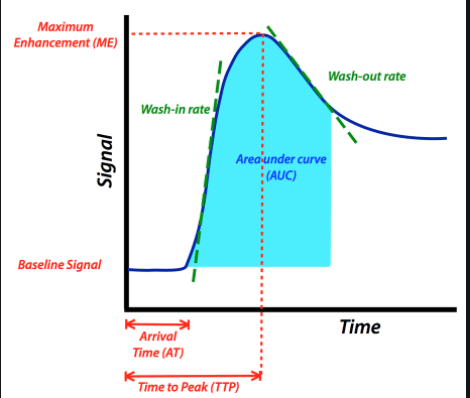
I wasn’t clear on why my body would stop adapting to the training stimulus I was applying, what the RTS Emerging Strategies folks call the Time to Peak. In their programming strategy, which I am slowly learning, a developmental cycle is designed to specifically improve Powerlifting performance, will reach a point of maximum effectiveness, when strength peaks and can be displayed at a competition. Continuing the training stimulus beyond that point produces declining results. One of the goals of a developmental cycle is to find out when that point is.
I was making steady progress with my first developmental cycle, and was skeptical it would suddenly stop working, when it did. Just like that, from one workout to the next, my Squat and Bench Press estimated 1 Rep Max didn’t budge, and my Deadlift went backwards. I was going to keep it going to see if it was a temporary setback, but I noticed I was also losing interest in training and was feeling pretty beat up. I counted up my weeks of training and determined that my 5th exposure to the stimulus was my best, and wouldn’t you know it, Time to Peak suddenly became clear.
I’ve started a Pivot Block, which is kind of a combination of a deload and a complete break from Powerlifting. There are many goals for a Pivot, but for my first, I’m just looking to offload some fatigue and get my motivation back. My back is complaining most of all, but my shoulders and legs have something to say as well. I’ve already assembled my next Developmental Cycle which I’ll run for 5 weeks and Pivot again. Working backwards from my planned competition in May, I’ve got it set up to peak on Meet Day. I know I haven’t been doing this long, and I tend to get infatuated with a new program only to find that it wasn’t true love after all, but this one feels different. It’s not a program at all, but a way of systematically planning to be in the best position to have a peak performance on the day of competition. How you get there is up to you. I’m picking the intensities and rep ranges, the assistance and supplemental work, and I’m changing it up every time to find what works best for me.
The one thing I’m still struggling with is the Stress Index and how to properly implement it as a volume planner. I’ve gone back to the drawing board several times and I think I may have it figured out for the next block. I really like the old Fatigue Percents RTS used to employ, but if they’ve moved on from it, I can only assume it’s because they’ve found a better way. When I ran the Block Review for the newly completed cycle, my Stress Index most weeks was extremely high, so I obviously have pretty good work capacity and volume tolerance, but perhaps by dialing that in with a planned amount of stress vs. the auto-regulated method Fatigue Percents provide, I can get the same results without feeling beat to hell and dreading getting back under the bar. I’m not a “less is more” kind of guy generally, after all less is less…. how can it be more? But the beauty of this system is its experimental nature. I’m essentially hypothesizing that I can get the same or better results with a more controlled volume of training than I got auto-regulating, and we’ll see if the data supports my hypothesis or not.
In the meantime, I’m going to try to enjoy some easier lifting and get some more cardio in. Today was just a few sets of Overhead Press, a few sets of Lever Rows and 20 minutes of stair climbing. I don’t know if its just what the doctor ordered, but I assume a few more days training like this and I’ll be ready to rumble again.
 Joe's Blog